
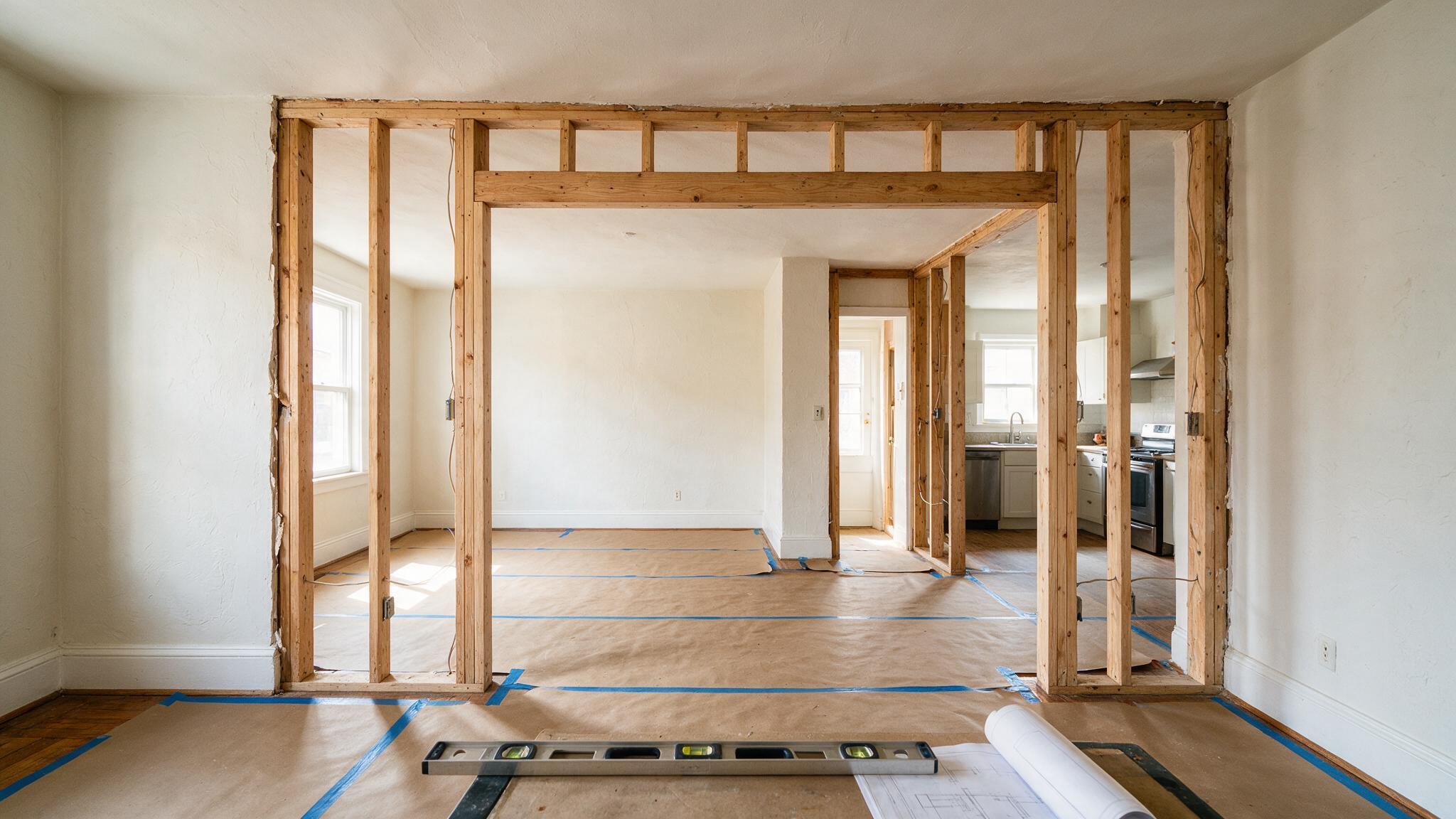
Embarking on a residential improvement project in older neighborhoods like West Philadelphia, University City, or Fairmount often presents a common dilemma: should you hire individual trade specialists directly, or do you need a professional general contractor? While hiring a standalone plumber to fix a leak or a painter to refresh a bedroom is straightforward, projects involving structural changes, multiple rooms, or sequential construction phases require centralized management. Understanding the logistical differences between individual trade execution and full-service general contracting ensures your renovation remains on schedule, structurally sound, and financially predictable.
The Difference Between Trade Specialists and General Contractors
An individual trade contractor specializes in a single craft, such as electrical wiring, plumbing, or drywall hanging. They operate independently, focusing strictly on their portion of the physical work. A general contractor acts as the comprehensive project manager and principal construction authority. They take total operational and financial responsibility for the entire renovation, orchestrating every phase from initial layout planning and structural framing to mechanical installations and final carpentry finishes.
Projects That Benefit from Centralized Project Coordination
Renovating older Philadelphia properties frequently uncovers interconnected challenges. A kitchen overhaul or a multi-room interior layout change rarely involves just one trade. When a project requires demolition, structural reframing, updated plumbing lines, high-voltage electrical circuits, drywall hanging, flooring installation, and finish carpentry, centralized scheduling becomes essential.
Without a general contractor managing the job site, the homeowner must act as the project manager. This requires sourcing, vetting, scheduling, and supervising several independent subcontractors. If an electrician is delayed by two days, the drywall hanger cannot close the walls, which pushes back the painter, which subsequently delays the flooring installer. A general contractor absorbs this scheduling complexity, utilizing professional trade relationships to maintain a seamless, chronological workflow.
Managing Risk, Building Permits, and Code Compliance
Altering floor plans or upgrading mechanical systems in residential properties must comply with municipal safety codes. A legitimate renovation firm manages the bureaucratic process by submitting detailed architectural scope documentation and securing required building permits directly through the Philadelphia Department of Licenses and Inspections. By pulling permits under their commercial license, your contractor assumes legal liability for ensuring that all structural framing, fire blocking, and electrical loads pass mandatory municipal inspections.
The Value of Transparent Documentation and Scope Management
Working with a single general contractor establishes clear accountability. Before construction begins, you receive a unified, written contract detailing the complete scope of work, fixed material specifications, structural allowances, and a milestone-based payment schedule. If unexpected conditions arise—such as discovering damaged floor joists after removing an old subfloor—a formal change-order procedure ensures that necessary structural repairs are documented, priced, and approved before additional costs are incurred.
Whether you are combining small rooms into an open living area, modernizing an aging Victorian interior, or updating a basement, relying on professional general contracting services in Philadelphia protects your property. Centralized oversight eliminates trade conflicts, prevents costly sequencing errors, and delivers a cohesive, professionally finished home. To explore how coordinated project management can streamline your upcoming property renovation, reach out to our team today to initiate an initial project assessment.
What is the primary role of a residential general contractor? A general contractor oversees the day-to-day operations of a construction site, manages vendor and subcontractor scheduling, procures building materials, secures municipal building permits, and ensures all construction complies with local building codes and safety standards.
At what point does a home improvement project require a general contractor? You typically need a general contractor when a project involves three or more distinct trades (such as plumbing, electrical, and carpentry), requires structural framing modifications, or involves moving load-bearing walls and utility lines across multiple rooms.
Can a homeowner act as their own general contractor in Philadelphia? While property owners can legally act as their own contractor for certain projects, doing so requires managing subcontractor contracts, coordinating daily site logistics, scheduling municipal inspections, and personally assuming all legal and financial liability for building code violations or job-site accidents.
How does a general contractor handle unexpected project delays? Experienced contractors build contingency time into project schedules and utilize established networks of reliable subcontractors. If a material delivery is delayed or a trade encounters an unexpected framing issue, the contractor adjusts the site schedule dynamically to keep subsequent construction phases moving forward without idle job-site days.