
Selling a house in Philadelphia often starts with a walk-through and a long list. The real estate agent points out the water stain on the ceiling, the sticking back door, the cracked tile in the bathroom and the old roof. The question every seller asks next is the same: what is actually worth fixing before the house goes on the market?
The answer depends on the house, the neighborhood, the timeline and the budget. In rowhomes and twins across South Philly, Fishtown, West Philadelphia, Mount Airy, the Northeast and suburban towns like Blue Bell, the most useful pre-listing work is usually the kind that removes doubts for buyers and their inspectors. This guide explains how to prioritize repairs, how Pennsylvania seller disclosure fits in, and how a residential contractor can help.
Start With What Buyers and Inspectors Will Notice
Most buyers order a home inspection. Inspectors look for problems with water, structure, roofing, electrical, plumbing, heating and safety. Cosmetic issues matter for first impressions, but systems and water problems drive renegotiations.
Common inspection flags in Philadelphia homes:
- Active or past roof leaks and failing flat roofs.
- Water in the basement, efflorescence on walls or a damp smell.
- Sagging floors or cracks in walls and ceilings.
- Outdated electrical panels, missing GFCI protection or exposed wiring.
- Leaking fixtures, slow drains or old supply lines.
- Missing handrails or loose stair treads.
- Rotted window sills, trim or porch elements.
- Smoke and carbon monoxide alarms that are missing or expired.
Understand Your Disclosure Obligations
Pennsylvania requires sellers of most residential properties to disclose known material defects. According to the Pennsylvania Seller’s Property Disclosure Statement, a seller must disclose to a buyer all known material defects about the property that are not readily observable. The form defines a material defect as a problem that would have a significant adverse impact on the value of the property or that involves an unreasonable risk to people on the land. It also notes that a system near or beyond the end of its normal useful life is not, by itself, a material defect.
The form asks about the roof, basements and crawl spaces, pests and dry rot, structural items, past or present water leakage, additions and remodeling, and water and sewage, among other topics.
What this means for repairs:
- Fixing a known problem properly, with records, can make the disclosure conversation easier.
- Covering up a defect without repairing it can create legal and financial risk.
- Keeping invoices, photos and any permits shows buyers what was done.
Talk with your real estate agent or attorney about what to disclose. A contractor can document the work, but cannot give legal advice.
Prioritize Repairs in Three Groups
1. Water, structure and safety first. These are the items most likely to scare buyers or come back in an inspection report:
- Roof leaks and flashing failures.
- Basement water entry and grading problems.
- Structural issues such as sagging floors or failing beams.
- Electrical hazards and missing safety devices.
- Active plumbing leaks.
2. Systems that are failing or very close to failing. An old water heater or a furnace in poor condition may be worth replacing or at least servicing and documenting. Ask your agent whether buyers in your market expect it.
3. Visible, low-cost improvements. These help the house photograph and show well:
- Patching and painting walls and ceilings after leaks are fixed.
- Repairing sticking doors and loose hardware.
- Replacing cracked tiles or caulking tubs and showers.
- Fixing loose railings and stair treads.
- Touching up exterior trim and the front door.
When a Bigger Renovation Makes Sense
Sometimes a seller considers a larger project, such as a new kitchen or bathroom, before listing. It can help in some markets, but it is not always recovered in the sale price. Before committing, talk with your agent about comparable sales, and get a clear estimate and schedule from your contractor.
Avoid Common Pre-Listing Mistakes
- Painting over a water stain without fixing the leak.
- Doing unpermitted work that a buyer’s inspector or the City may question.
- Starting projects that cannot be finished before listing.
- Choosing finishes that do not suit the neighborhood or price range.
- Losing receipts and records of work done.
- Hiring the lowest bid without checking insurance, references or whether the contractor will pull the permits the work requires.
Should You Get a Pre-Listing Inspection?
A pre-listing inspection gives you the same list a buyer’s inspector would find, earlier. It lets you decide what to repair, what to disclose and how to price. A contractor can then estimate the repairs on that list so you can make informed decisions.
How a Residential Contractor Helps
A general contractor can:
- Walk the house with you and your agent.
- Estimate repairs from an inspection report.
- Coordinate roofing, plumbing, electrical and carpentry in one schedule.
- Handle permits where required.
- Document work with photos and invoices for disclosure and buyer questions.
Having one contractor manage the list is often faster than coordinating several trades separately, especially when the listing date is set.
Common Pre-Listing Projects in Philadelphia Rowhomes
Every house is different, but certain repairs come up again and again in older Philadelphia homes before they go on the market:
- Flat roof repairs or recoating after an inspection finds blisters, open seams or failing flashing at parapets.
- Basement water fixes such as repairing downspouts, regrading at the rear yard, sealing foundation cracks or servicing a sump pump.
- Ceiling and wall repairs after old leaks, including plaster patching and repainting.
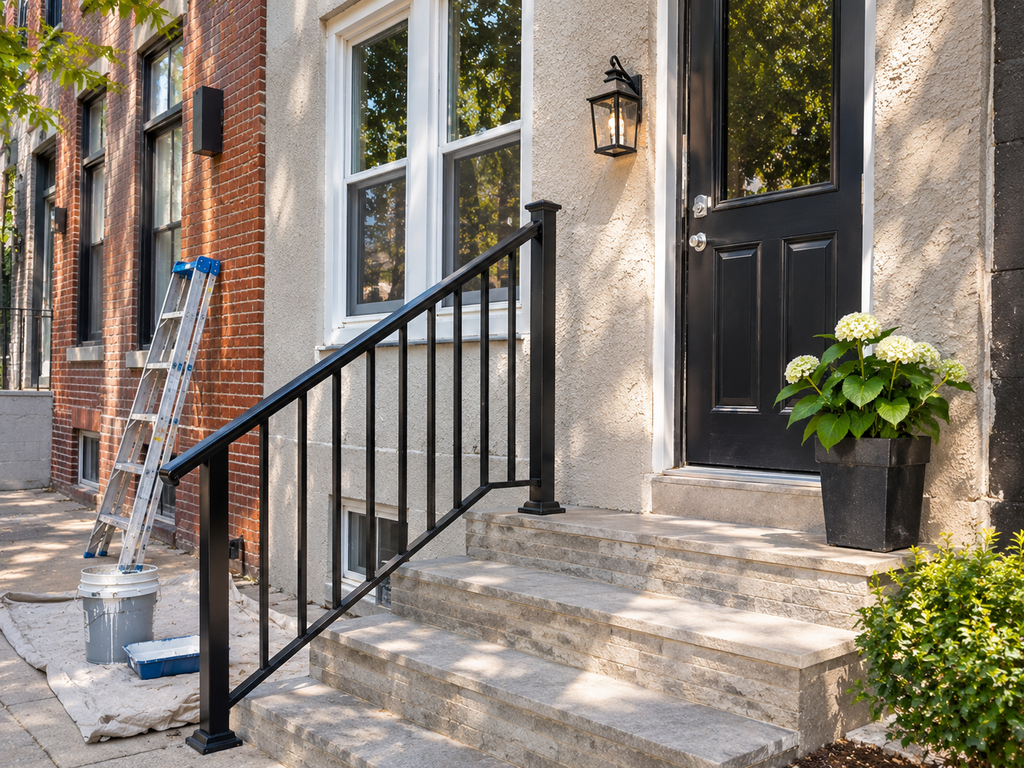
- Front steps and railings, since loose iron railings and cracked marble or concrete steps are visible from the street.
- Electrical safety items such as adding GFCI protection in kitchens and bathrooms, replacing damaged outlets and covering open junction boxes.
- Bathroom refreshes such as recaulking, replacing a worn vanity or fixing a running toilet.
- Window and trim repairs where sills have rotted or paint has failed.
Planning a Realistic Timeline
Sellers often underestimate how long repairs take. Contractors may need a few weeks to schedule, some materials have lead times, and permit review can add time for electrical, plumbing or structural work. Build the repair schedule backward from the target listing date, leaving time for cleaning, staging and photography at the end.
If the list is long, ask your contractor to sequence the work: exterior and roof items while the weather allows, then interior repairs, then painting and finishing. That order prevents fresh paint from being damaged by later repairs and helps the house photograph well on listing day.
Frequently Asked Questions
What should I fix before selling my house in Philadelphia? Start with water, structure and safety issues, then failing systems, then low-cost visible repairs. Your agent can help you weigh value.
Do I have to disclose repairs when selling in Pennsylvania? Pennsylvania requires sellers to disclose known material defects that are not readily observable. Ask your agent or attorney how to report past repairs.
Is it worth renovating before selling? Sometimes. Small repairs and fresh paint usually help; large renovations may not pay back. Compare with recent sales first.
Should I get a pre-listing inspection? It can help you avoid surprises and plan repairs before buyers find issues.
How long do pre-listing repairs take? It depends on the list, permits and trade availability. Start early so work does not delay your listing.
If you are getting ready to sell and need help with pre-listing repairs, PHS General Contractor Philadelphia can walk the house with you, review an inspection report and handle the work from roof to basement. Learn more about our residential contracting services in Philadelphia and schedule a walkthrough.