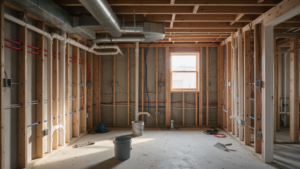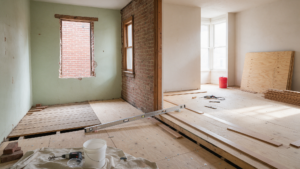
Applying a fresh coat of interior paint is one of the most effective ways to transform a living room, bedroom, or hallway. However, paint is a thin surface coating; it possesses no structural strength and cannot hide physical substrate defects. For properties in Brewerytown, West Philadelphia, and Germantown, applying premium paint over cracked, dented, or water-stained walls results in a compromised finish that highlights every underlying imperfection. Achieving a smooth, long-lasting aesthetic requires addressing physical drywall and plaster deficiencies before opening a paint can.
Common Wall Deficiencies in Philadelphia Properties
Older residential properties experience seasonal expansion, contraction, and structural settling over decades of use. These natural movements manifest as distinct surface flaws across interior walls and ceilings:
- Settlement Cracks and Failed Seams: Hairline cracks radiating from door corners or running straight along ceiling seams occur when framing shifts or tape joints lose their adhesive bond.
- Nail Pops: Small, circular protrusions along wall studs occur when the underlying wood framing dries and shrinks, forcing drywall screws or nails to push out against the finished surface compound.
- Impact Damage and Corner Bead Dents: Everyday wear and tear frequently leaves holes from door handles, dents along vertical outside wall corners, or deep gouges from moving furniture through narrow hallways.
- Moisture Stains and Bubbling: Yellow or brown discoloration, bubbling paint, or soft, crumbling wallboard indicates past or active water intrusion from roof leaks, plumbing failures, or window condensation.
Correcting Moisture Sources Before Cosmetic Restoration
Never apply paint or joint compound over damp or water-stained drywall. Gypsum wallboard absorbs water readily, which permanently degrades its structural integrity and creates a breeding ground for biological growth. Before executing cosmetic wall repairs, a general contractor must investigate and resolve the underlying moisture source. Once the plumbing leak, roof flashing failure, or condensation issue is repaired, saturated drywall must be physically cut out and replaced with mold-resistant wallboard to ensure a sound, dry substrate.
Patching, Replacement, and Skim Coating
Different drywall problems require specific restoration techniques. Minor nail pops and shallow dents are repaired by driving new screws into the framing stud above and below the pop, removing the loose debris, and applying two to three thin layers of lightweight joint compound.
For recurring structural settlement cracks or failed seams, simple spackling is insufficient. The crack must be widened slightly, filled with setting-type compound, and reinforced with fiberglass or paper joint tape to prevent the crack from reappearing when the home expands during summer humidity.
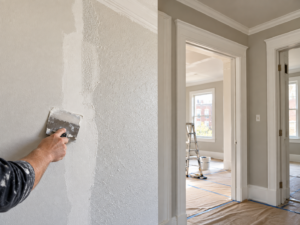
When dealing with heavily damaged walls, outdated textured surfaces, or deteriorated historic plaster, a full skim coat is required. Skim coating involves applying a thin, uniform layer of joint compound across the entire wall surface using a wide trowel. Once cured and sanded, this technique restores uneven, rough walls to a glass-smooth, level condition.
Surface Preparation and Dust Containment
Proper sanding and priming are essential steps between drywall restoration and finish painting. Hand-sanding or mechanical sanding with vacuum extraction removes compound ridges without scuffing the surrounding wall paper. In older properties built before 1978, contractors must utilize EPA lead-safe work practices during wall preparation to prevent hazardous dust contamination.
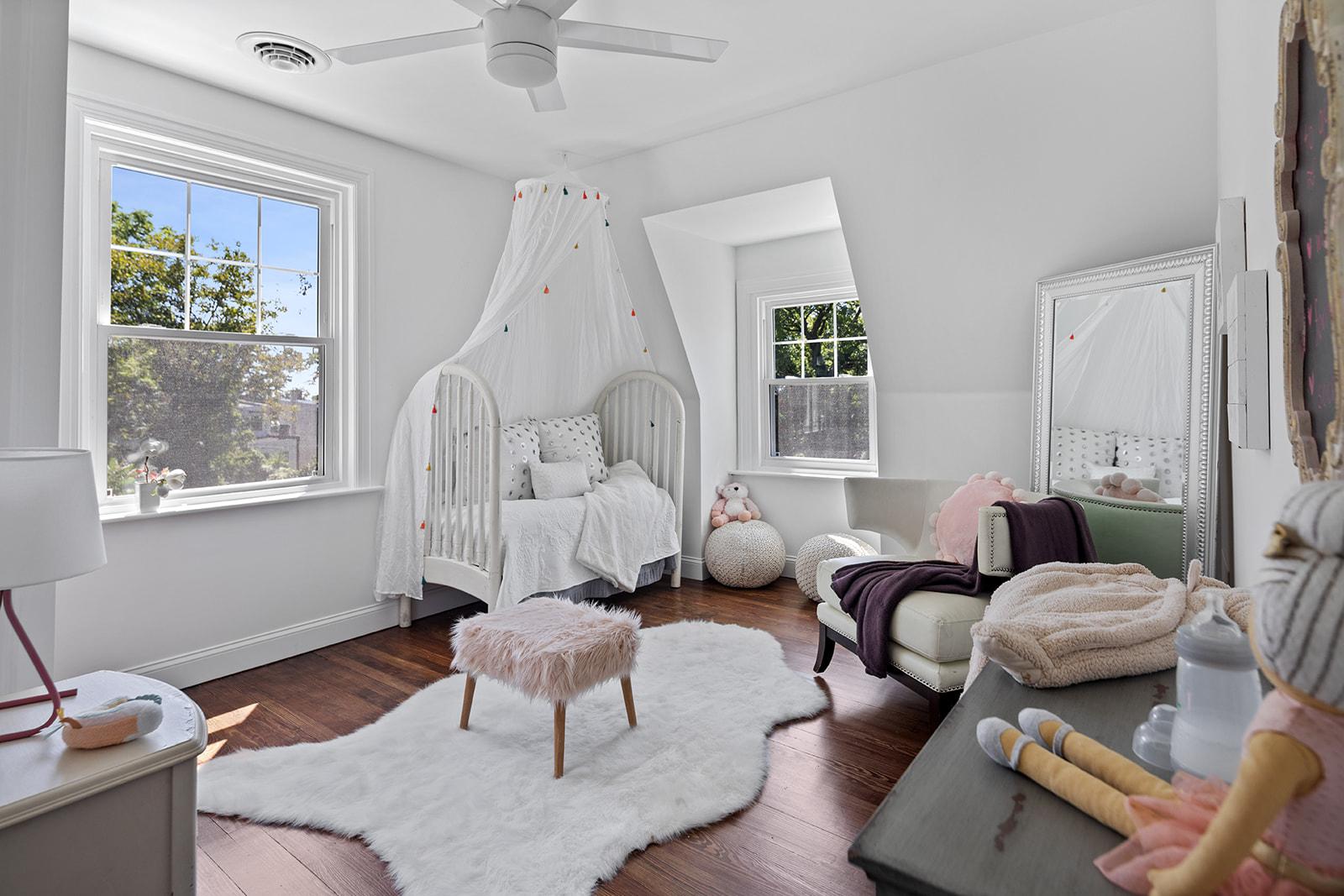
Once sanded smooth, raw joint compound is highly porous. Applying a dedicated PVA drywall primer or stain-blocking sealer coats the repaired areas, ensuring that finish paint absorbs evenly across the wall without flashing or sheen variations. Investing in professional drywall repair ensures that your interior walls and ceilings are structurally solid, perfectly smooth, and ready to showcase your new paint colors flawlessly. Reach out to PHS General Contractor Philadelphia to schedule a detailed interior surface evaluation.
Why do cracks keep reappearing above my doorways after I patch them? Reappearing cracks occur when structural framing continues to expand and contract with seasonal humidity changes. Simply filling the crack with rigid spackle will fail; the repair must be taped with fiberglass mesh and flexible joint compound to bridge the movement.
What is the difference between spackling and drywall joint compound? Spackle is a fast-drying, dense patching compound designed solely for filling small nail holes and minor dents. Drywall joint compound (mud) is a lighter, more workable material designed for taping seams, floating large patches, and skim coating entire wall surfaces.
Can you paint directly over new drywall repairs without priming? No. Unprimed drywall compound is extremely porous and will absorb the liquid resin from finish paint faster than the surrounding wall, resulting in dull, dull patches known as “flashing” that remain visible even after multiple coats of paint.
When should a damaged section of drywall be replaced rather than patched? Drywall should be physically cut out and replaced when it has sustained direct water saturation, exhibits mold growth, has holes larger than eight inches in diameter, or shows severe structural crushing that compromises the gypsum core.