Planing the edge of a sticking door can solve today’s symptom. The real issue could be hinge wear or floor height, humidity, or movement in the opening. In philadelphia, address the root causes to prevent future gaps.
Design from function backward.
West Philadelphia and Germantown homes often have original jambs beside newer floors and remodeled walls.
One opening may contain several generations of work.
What Makes Philadelphia Homes Unique
What Is Different About These Local Homes
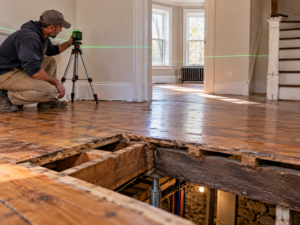
Check the reveal around the door, hinge screws, jamb alignment, strike position, floor transition, and signs of wall movement.
Therefore, where the door rubs, it often indicates which adjustment is needed.
Additionally, resolve these details before ordering materials.
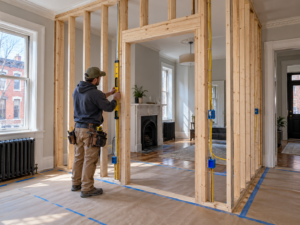
Additionally, small problems may respond to hinge correction, longer fasteners, jamb adjustment, strike alignment, or careful edge work. More significant movement can require carpentry or framing repair around the opening.
The Takeaway for Homeowners
The Takeaway for Homeowners
Additionally, complete door and jamb corrections before caulk and paint so the finish crew is not reopening newly completed trim.
Philadelphia FAQ overview
Frequently Asked Questions
Door issues and structural concerns
Does a sticking door mean structural damage?
Not necessarily. Hardware, humidity, paint buildup, flooring changes, and minor settlement are common causes.
Can new flooring make a door rub?
Yes. Adding underlayment or thicker finish flooring can reduce clearance.
Should I plane the door first?
Only after the hinges, jamb, floor, and opening have been checked because removed material cannot be put back.
Plan the next step.
PHS handles interior carpentry, trim, framing touch-ups, and flooring transitions.
Additionally, it performs finish repairs for Philadelphia homes.
Helpful source: Philadelphia L&I – Construction and Repair Permits