Undertaking a major home renovation is a complex logistical operation. For property owners in West Philadelphia and Roxborough, the physical construction is only half the battle; the other half is navigating the bureaucratic requirements of municipal regulations. Executing structural remodeling, adding a deck, or expanding the footprint of your home requires strict adherence to local building codes and zoning laws. Attempting to bypass these legal requirements invites severe financial penalties, project shutdowns, and long-term liability.
The Difference Between Building Permits and Zoning Permits
Homeowners often confuse building permits with zoning permits. While both are issued by the city, they govern entirely different aspects of your project.
Building Permits
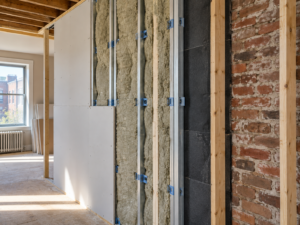
Building permits regulate how a structure is built. If you are tearing down load-bearing walls, installing new electrical panels, or running new plumbing lines, you must obtain a building permit. The city issues this permit after reviewing architectural drawings to ensure the proposed work complies with the International Residential Code regarding fire safety, structural integrity, and energy efficiency.
Zoning Permits
Zoning permits regulate where and what you can build on a specific parcel of land. If your remodeling project changes the exterior footprint of the house—such as building a rear addition, adding a third story, or converting a single-family home into a multi-family duplex—you trigger zoning review. The Philadelphia Department of Licenses and Inspections (L&I) enforces the zoning code to ensure your addition does not exceed lot coverage limits, violate height restrictions, or encroach on mandatory property line setbacks.
The Dangers of Unpermitted Work
In an attempt to save time and municipal fees, some homeowners hire unverified laborers to perform remodeling without pulling the required permits. This is a catastrophic risk.
Stop-Work Orders and Insurance Denials
If L&I inspectors discover active construction occurring without visible permits, they will immediately issue a stop-work order. Your project will be frozen for months while you retroactively pay fines and submit emergency architectural plans. Worse, if unpermitted electrical work causes a fire, your homeowner’s insurance company can legally deny your claim entirely, leaving you personally liable for the total loss of the property.
Complications During Property Sales
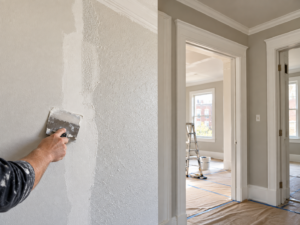
Unpermitted work always surfaces eventually. When you attempt to sell your home, the buyer’s home inspector will demand to see the closed permits for that beautiful finished basement or structural kitchen wall removal. If no permits exist, the buyer can demand severe price reductions, or the mortgage lender may refuse to finance the sale until the work is legalized—a process that often requires tearing down finished drywall so inspectors can view the framing behind it.
The Value of Professional Project Management
Navigating the L&I portal, securing zoning variances from community boards, and scheduling phased inspections is incredibly tedious. A licensed general contractor in Philadelphia handles all of this bureaucracy for you. They produce the necessary architectural drawings, expedite the permit applications, and assume total legal liability for code compliance. Contact PHS General Contractor Philadelphia to ensure your West Philadelphia remodeling project is executed safely, legally, and without delay.
FAQs:
- Do I need a permit just to replace my kitchen cabinets? Cosmetic upgrades like replacing cabinets, painting, or laying new hardwood floors generally do not require a building permit. Permits are triggered when you alter structural walls, electrical wiring, or plumbing pipes.
- How long does it take to get a zoning permit in Philadelphia? If your project complies perfectly with the zoning code (“by-right”), approval takes a few weeks. If your project requires a zoning variance (an exception to the rules), the process involves community meetings and can take three to six months.
- Who is legally responsible for obtaining the permits? While the homeowner is ultimately responsible for the property, a licensed remodeling contractor should always pull the permits under their own company’s license. This guarantees they take legal responsibility for passing the municipal inspections.