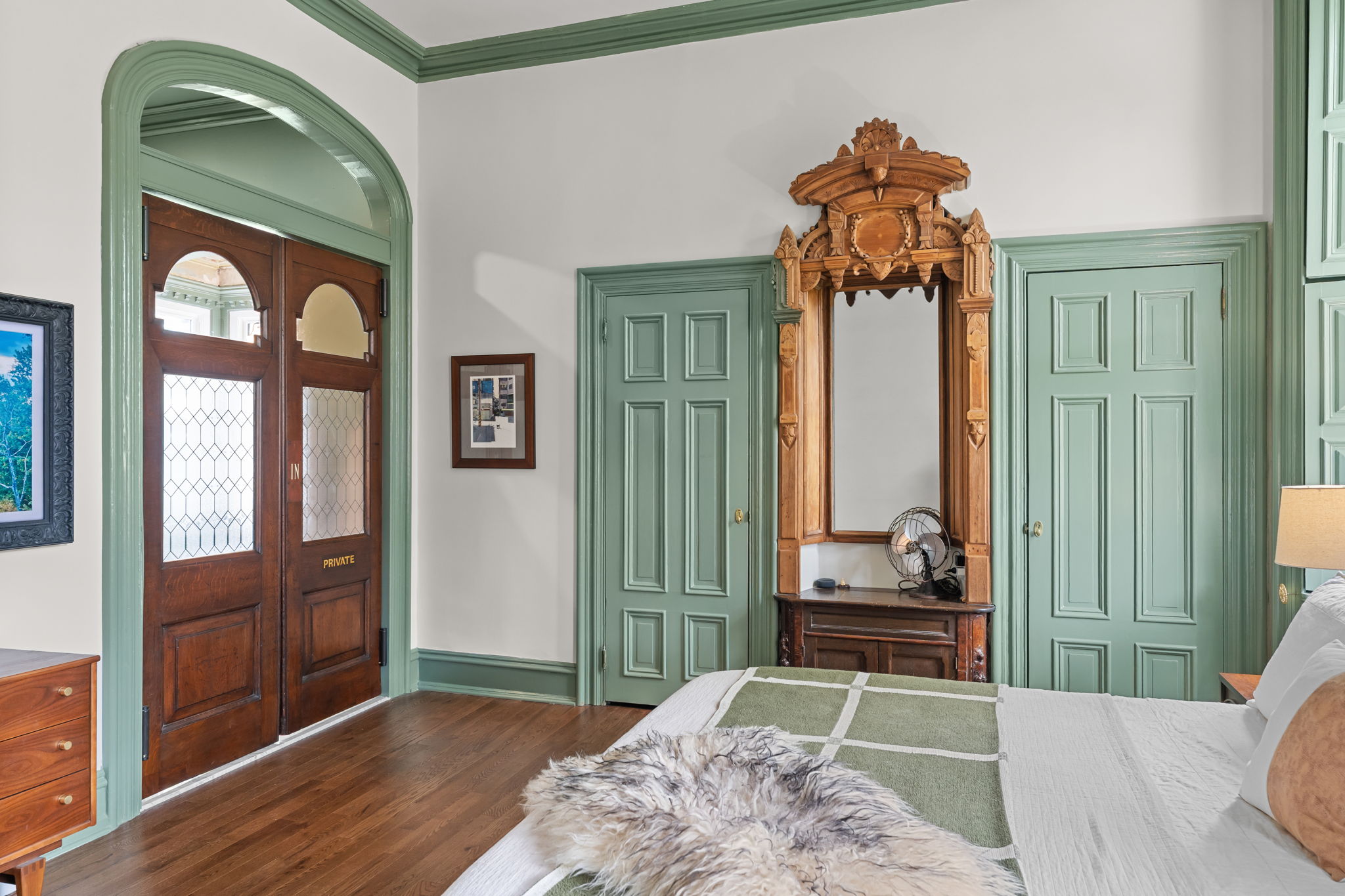
The grand estates of Chestnut Hill and the historic properties of Old City boast irreplaceable craftsmanship. Intricate plaster crown molding, wide-plank hardwood floors, and custom millwork are the defining characteristics of these homes. When a property requires a complete modernization of its layout, plumbing, and electrical systems, the greatest challenge lies in integrating 21st-century technology without destroying the 19th-century soul of the building. A successful gut renovation honors the original architectural fabric through meticulous preservation and sympathetic restoration.
The Challenge of Mechanical Integration
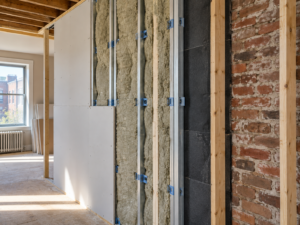
Modern homes require extensive networks of central air conditioning ducts, high-voltage electrical lines, and complex plumbing stacks. Installing these systems in a historic home that was never designed for them requires surgical precision.
Concealing HVAC Without Lowering Ceilings
The fastest way a careless contractor ruins a historic room is by dropping the entire ceiling a foot to hide bulky metal ductwork, completely burying the original plaster crown molding in the process. Experienced historic renovators take a different approach. Using high-velocity mini-duct systems allows contractors to run small, flexible tubing through existing wall cavities. Where larger ductwork is unavoidable, specialized carpenters design custom architectural bulkheads that match the exact profile of the room’s original molding, turning a mechanical necessity into a seamless design feature.
According to preservation guidelines published by the National Park Service (NPS), maintaining the historic character of interior spaces heavily depends on the invisible routing and discrete placement of modern climate control registers.
Restoring Vintage Wood and Plaster
A true restoration salvages original materials whenever structurally feasible, repairing rather than blindly replacing.
Saving Original Hardwood Flooring
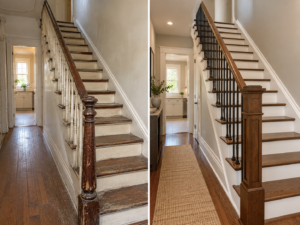
The old-growth timber used for flooring a century ago is vastly superior in density and grain pattern to modern, farm-raised lumber. During a full-home renovation, protecting these floors during demolition is paramount. Heavy rosin paper and Masonite boards must shield the wood from falling debris. Once the construction is complete, master floor refinishers carefully sand away decades of wax and damage, applying modern sealants that protect the wood while highlighting its authentic, aged patina. If sections are damaged beyond repair, reclaimed wood of the exact same species and era is spliced in flawlessly.
Plaster Repair vs. Drywall Replacement
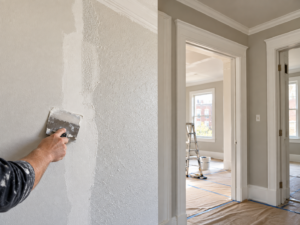
Old plaster is incredibly durable and provides excellent soundproofing, but it inevitably cracks as a house settles. Ripping down all the plaster to install modern drywall strips a home of its acoustic weight and subtle texture. Skilled craftsmen use a combination of fiberglass mesh and specialized setting-type joint compounds to stabilize and restore cracked plaster, ensuring the walls remain solid for another century.
The Art of Seamless Transitions
A major renovation often involves opening up floor plans or building structural additions. The true mark of a premium contractor is making sure you cannot tell where the old house ends and the new construction begins. By painstakingly replicating custom baseboards, sourcing period-accurate hardware, and matching vintage door profiles, the historic integrity remains unbroken. If you own a historically significant property, trust the experts for your full-home renovation in Philadelphia. Contact PHS General Contractor Philadelphia to preserve the elegance of your Chestnut Hill estate while upgrading its performance.
FAQs:
- Is it better to repair old plaster or replace it with drywall? If the plaster is firmly attached to the lath behind it, repairing it is always superior. It provides better sound insulation and historical authenticity. Plaster should only be removed if it is completely detached and structurally failing.
- How do you match new wood flooring to 100-year-old flooring? We utilize architectural salvage yards to find reclaimed wood from the same era and species, ensuring the grain density and natural aging perfectly match your existing floors before staining.
- Can you install central air conditioning without ruining historic ceilings? Yes. Using high-velocity HVAC systems allows for small, flexible ductwork that runs through existing wall cavities, eliminating the need to drop ceilings and cover up original crown molding.