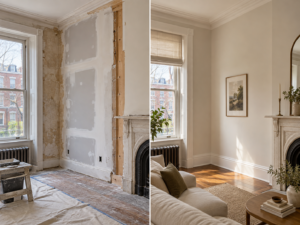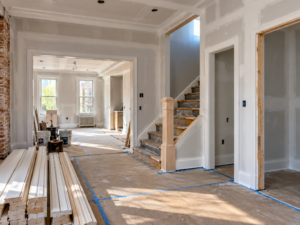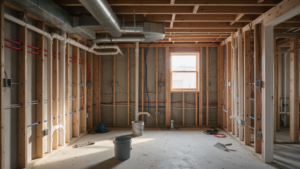
Homes across Brewerytown, Germantown, Fairmount, and West Philadelphia endure heavy seasonal climate variations, from hot, humid summers to freezing winter conditions. Over decades, structural components wear, mechanical systems lose efficiency, and original interior layouts can restrict modern family living.
Recognizing early warning signs of systemic home wear helps property owners address structural issues before minor repairs turn into emergency interventions.
Major Warning Signs That Your Property Needs Whole-Home Renovation
While minor cosmetic fixes address surface wear, specific indicators highlight the need for comprehensive renovation planning:
+—————————————————————–+
| SYSTEMIC HOME RENOVATION INDICATORS |
| |
| 1. Diagonal Drywall Cracks –> Active Framing Movement |
| 2. Repeated Electrical Trips –> Overloaded Circuit Capacity |
| 3. High Monthly Utility Bills–> Compounded Envelope Air Leaks|
+—————————————————————–+
1. Diagonal Cracks above Door Frames and Windows
Steep diagonal cracks extending from door and window frames indicate framing movement, sagging support headers, or compromised masonry piers below.
2. Frequent Electrical Circuit Breaker Trips
Modern households rely heavily on high-draw appliances, electronics, and climate systems. Frequent breaker trips, flickering lights, or warm outlet faceplates indicate that electrical service requires a full panel and branch circuit overhaul.
3. Drafty Interiors and Unusually High Energy Bills
Persistent indoor drafts and high heating or cooling costs point toward uninsulated wall cavities, leaky historic window frames, and compromised roof insulation. Addressing these issues with building envelope updates recommended by the U.S. Department of Energy: Energy Efficiency and Building Envelope Upgrades → https://www.energy.gov mproves indoor comfort and significantly lowers monthly energy usage.
4. Outdated Fixtures and Restricted Floor Plans
Narrow interior doors, isolated kitchens, lack of storage, and outdated plumbing fixtures reflect historic building layouts that no longer support modern lifestyle preferences.
Addressing these issues with comprehensive home renovation services updates structural safety, lowers operating costs, and elevates daily living comfort.
Frequently Asked Questions
How do I select the right general contractor for a major home renovation?
Look for licensed, insured general contractors with proven local experience managing permits, historic building conditions, and trade schedules across Philadelphia neighborhoods. Request references and review portfolios of similar projects.
What is the purpose of a structural engineering evaluation before renovation?
A structural engineer evaluates load-bearing walls, foundation walls, and floor joists to provide stamped structural calculations and framing plans required for building permit applications.
Can energy-efficiency upgrades be integrated into a major home renovation?
Yes. Gut renovations provide ideal access to insulate exterior wall cavities with high-R-value spray foam, install high-performance double- or triple-pane windows, and integrate modern, high-efficiency heat pump HVAC systems.
What key safety measures are required when renovating homes built before 1978?
Renovating older properties requires strict adherence to EPA Lead-Safe Certified Work Practices. Technicians use sealed dust containment, HEPA vacuuming, and safe disposal methods to control lead dust generated during demolition.
Take the First Step Toward Your Home Transformation
Identifying structural warning signs early allows property owners in Brewerytown, Germantown, Fairmount, and West Philadelphia to plan home renovations thoughtfully. Overhauling outdated utilities, insulating building envelopes, and modernizing floor plans protects your long-term property investment. Contact PHS General Contractor Philadelphia today to arrange a comprehensive property evaluation.