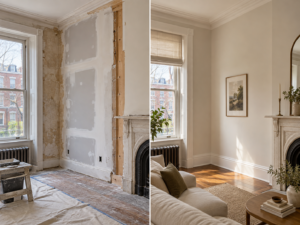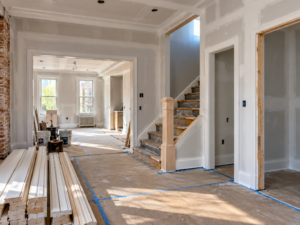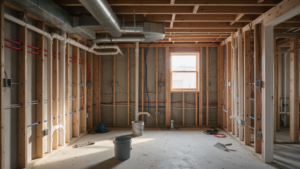
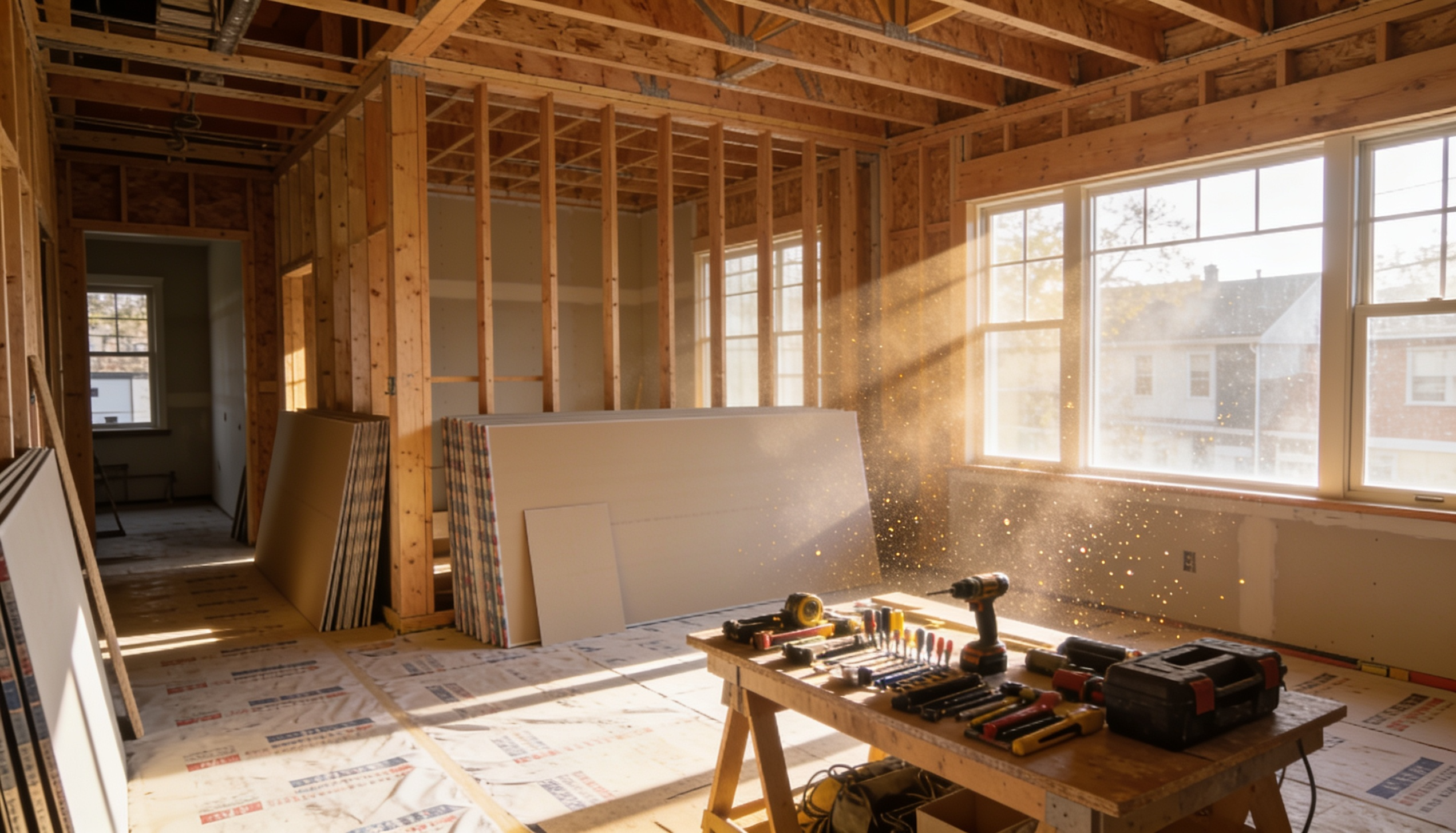
The distinctive Victorian twin homes, limestone-front rowhouses, and historic properties throughout West Philadelphia, Germantown, Brewerytown, and East Falls showcase remarkable architectural beauty. However, homes built between 1880 and 1930 frequently present age-related structural sagging and obsolete utility systems that require structural remediation during renovation.
Addressing issues like sloping subfloors, obsolete electrical wiring, leaking cast-iron plumbing, and unreinforced masonry ensures that these historic structures remain safe, comfortable, and valuable for decades to come.
Common Structural and Mechanical Issues in Historic Properties
Over a century of building settlement and piecemeal utility updates can leave older properties with hidden structural and safety hazards:
+—————————————————————–+
| HISTORIC PROPERTY DEFICIENCY PROFILE |
| |
| 1. Deflecting Floor Joists –> Sloping, Squeaking Floors |
| 2. Active Knob-and-Tube Wiring–> Fire Hazard & Limited Power |
| 3. Saturated Lead/Cast Iron –> Hidden Plumbing Intrusion |
+—————————————————————–+
1. Floor Joist Sagging and Subfloor Deflection
Decades of heavy interior loads combined with historic notch cuts made for plumbing lines often cause floor joists to sag toward the center of the home, leading to uneven floors and cracked plaster ceilings below.
2. Obsolete Electrical Wiring and Low Panel Capacity
Many older Germantown and West Philadelphia residences still contain active knob-and-tube wiring, ungrounded branch circuits, or undersized 60-amp electrical panels that fail to meet modern electricity demands safely.
3. Aging Galvanized and Cast-Iron Plumbing
Corroded iron supply pipes reduce indoor water pressure, while fragile cast-iron main drain stacks can crack along seam lines, causing hidden leaks inside wall cavities.
Remediating these systemic issues relies on specialized rowhouse renovation solutions
Technical Remediation Procedures
Resolving foundational structural and mechanical issues requires established engineering strategies:
+—————————————————————–+
| STRUCTURAL SISTERING METHODOLOGY |
| |
| [ Existing Deflected Joist ] <== Steel Bolts & Structural Glue|
| [ New Kiln-Dried LVL Joist ] <== Laser-Leveled Axis Alignment |
+—————————————————————–+
Floor Joist Sistering & Leveling: Carpenters use hydraulic jacks to gently lift sagging floor structures back toward a level plane. New engineered LVL or dimensional lumber joists are then glued and bolted directly alongside original joists, doubling structural capacity and creating a flat subfloor plane.- Complete Electrical Rewiring: Upgrading systems to comply with the National Fire Protection Association: NFPA 70 National Electrical Code Safety Standards → https://www.nfpa.gov – involves removing obsolete wiring, installing dedicated 200-amp main breaker panels, and adding grounded copper circuits protected by AFCI/GFCI breakers throughout the home.
- Repointing Internal Masonry Party Walls: Soft, crumbling lime mortar between historic brick party walls is carefully raked out and repointed with breathable lime-based mortar to restore fire resistance and structural stability.
Frequently Asked Questions
Is knob-and-tube wiring dangerous if left untouched in my home?
Yes. Knob-and-tube wiring lacks an electrical ground wire and was designed to dissipate heat into open air. When covered by modern thermal insulation, the wiring can overheat, creating a significant fire hazard.
How much height is lost when leveling sagging floors in an old rowhouse?
Sistering new joists levels floors across their current high points without lowering ceiling clearances, preserving the full vertical height of rooms below.
Can original brick party walls be left exposed inside living spaces?
Yes, provided the brickwork is structurally sound. Technicians rake out deteriorated mortar joints, repoint with compatible mortar, and apply a matte masonry sealer to prevent dust shedding.
Why do old cast-iron plumbing pipes fail inside walls?
Cast iron corrodes from the inside out due to chemical reactions with wastewater. Over decades, pipe walls thin, rust scale builds up, and stress cracks develop along vertical seam joints.
Modernize Your Historic Property Safely
Updating the structural integrity and mechanical safety of a historic home in West Philadelphia, Germantown, or Brewerytown preserves its architectural character while introducing modern living comforts. Systematic engineering remedies protect your home investment for the long term. Contact PHS General Contractor Philadelphia today to schedule a detailed structural assessment for your property.