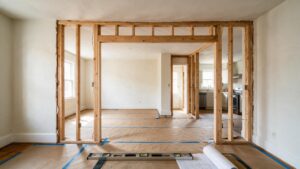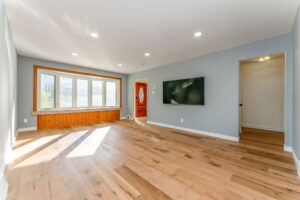
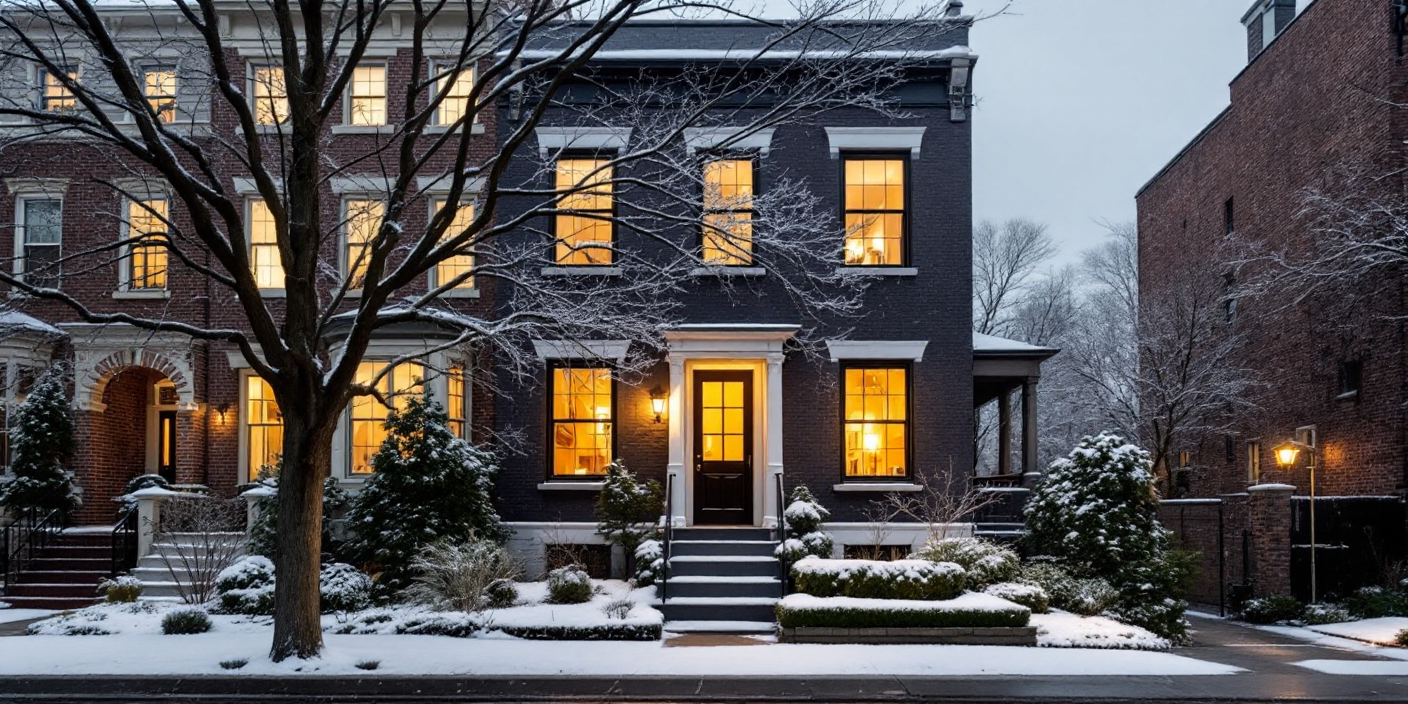
A winter renovation plan in Philadelphia isn’t about brute-forcing work in cold weather—it’s about risk control. When you’re searching home renovation Philadelphia or general contractor near me, the real value is a contractor who can identify the hidden stuff before it becomes a mid-project crisis.
At PHS General Contractor Philadelphia, we treat winter as the season to validate the building and lock the scope—so spring construction starts with confidence.
The common Philly renovation budget trap
Homeowners often budget for visible upgrades—kitchen finishes, bathrooms, floors—then get hit with:
- Moisture behind plaster or around window openings
- Old wiring that won’t pass inspection once exposed
- “Mystery framing” in additions or past renovations
- Undersized HVAC returns, bad bath venting, or poor dryer exhaust routing
- Subfloor movement that wrecks tile and makes doors misalign
Winter helps reveal these issues because dampness, drafts, and temperature swings create clues you can’t ignore.
The renovation strategy that keeps projects stable
We plan in phases, with clear checkpoints:
- Phase 1: Verification — site walk, measurements, moisture indicators, rough structural review
- Phase 2: Scope lock — define what’s included, what’s excluded, and what’s optional
- Phase 3: Sequence + schedule — the “who goes when” plan that prevents trade conflicts
- Phase 4: Procurement — order long-lead items early (cabinets, tile, fixtures)
- Phase 5: Build + inspect — keep inspections on track so close-up doesn’t stall
This process is especially important in neighborhoods like Germantown, West Philly, Brewerytown, Fairmount, and South Philly, where housing stock varies widely and older systems are common.
Winter is perfect for interior precision
Interior work benefits from controlled conditions:
- better focus on drywall/finish quality
- predictable humidity control
- fewer weather-related exterior interruptions
- more time to refine layout and details before final install
Quick “smart scope” add-ons that pay off
If your walls are open, consider:
- adding dedicated circuits for kitchen loads
- upgrading bathroom venting to reduce moisture damage
- correcting door openings and trim lines (big visual impact)
- improving insulation and air sealing in targeted zones