
A “simple renovation” in Philadelphia can become complicated fast—especially in Germantown, Brewerytown, West Philly, and Fairmount where older housing stock comes with surprises. The key is not just good craftsmanship—it’s planning, sequencing, and communication.
Step 1: Define the Renovation Phases
Most projects fall into phases (even small ones):
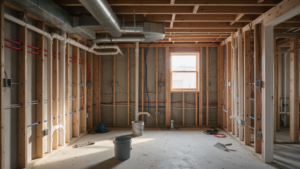
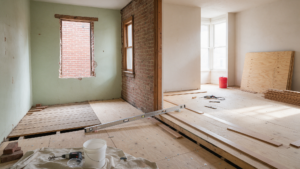
- Demo + assessment
- Structural/framing corrections
- Rough plumbing/electrical
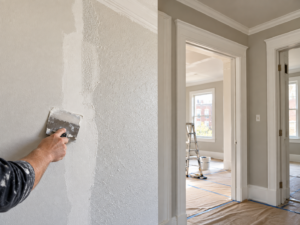
- Insulation + drywall
- Flooring + tile
- Paint + trim + finish installs
When homeowners skip this structure, timelines drift and costs climb.
Step 2: Fix “Hidden” Problems Before You Beautify
In winter, the most common hidden issues are:
- slow leaks (staining, soft drywall, musty corners)
- draft pathways around windows/doors
- subfloor flex that ruins tile and creates squeaks
- ventilation problems that cause bathroom moisture
The right move is to correct the building basics first, then install finishes that stay perfect.
Step 3: Material Planning Saves Weeks
Delays often come from: cabinets, tile, fixtures, doors, and specialty trim. A schedule-friendly approach:
- finalize selections early
- confirm delivery windows
- stage materials properly (protected and acclimated)
- avoid last-minute “switches” that break sequencing
Step 4: Prioritize High-Impact Services
Common Philly House Services renovation scopes include:
- drywall repair + full installs
- bathroom remodels (waterproofing, ventilation, tile)
- kitchen refreshes (layout, lighting, cabinets, backsplash)
- flooring replacement with subfloor prep
- trim, doors, and finish carpentry
The best renovations don’t try to do everything at once—they focus on what moves the needle.
Step 5: Know What “Good Communication” Looks Like
A reliable GC should offer:
- clear scope + written phases
- photo updates when needed
- fast answers on change requests
- a defined punch-list process
If you’re planning a Philadelphia renovation this winter, build your plan like a project manager—not a gambler.